Same day rubbish clearance South London fast local service
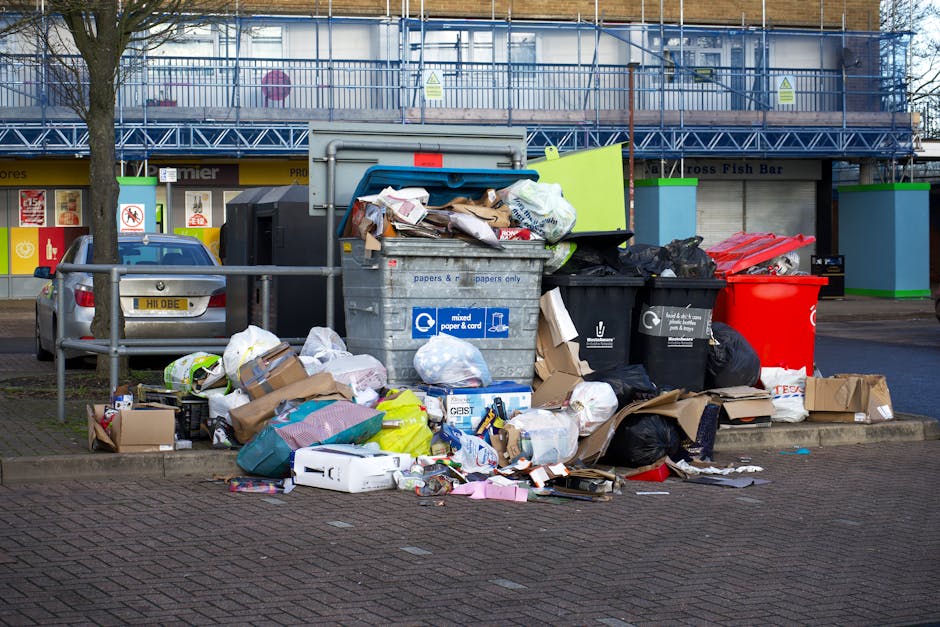
If you need rubbish gone today, you are probably not looking for theory. You want space back, a clear plan, and someone local who can actually turn up when they say they will. That is exactly where same day rubbish clearance South London fast local service makes life easier. It is built for those awkward moments when the spare room is full, the garden has become a dumping ground, or a renovation job has created a small mountain of waste by lunchtime. Truth be told, these things happen faster than most people expect.
This guide explains how same-day clearance works, what to expect, who it suits, and how to avoid the common pitfalls that slow everything down. We will also cover practical steps, compliance basics, and the kinds of services that often sit alongside urgent clearance, such as rubbish clearance, waste removal, and specialist help for items like furniture or sofas.
Expert summary: the best same-day service is not just the fastest one; it is the one that arrives prepared, quotes clearly, handles the lifting safely, and disposes of waste properly. Fast matters. Local matters. But reliability matters more.
Why Same day rubbish clearance South London fast local service Matters
Urgent waste problems rarely arrive at a convenient time. A tenant leaves in a hurry. A delivery goes wrong and packaging fills the hallway. A builder finishes early and the site still needs to be handed back the same afternoon. In South London, where many homes are flats, terraces, or tightly packed properties, clutter can quickly become more than an inconvenience. It can block access, create safety issues, and make a property feel much more stressful than it needs to be.
A fast local service matters because speed is only useful when it is realistic. A provider based nearby can usually respond faster, estimate access issues better, and arrive with the right vehicle size for local streets, one-way roads, parking limits, and narrow entrances. That local familiarity saves time. Sometimes it saves money too, because fewer delays mean fewer complications.
There is also the simple emotional side of it. Let's face it, junk has a way of making everything feel unfinished. One pile by the wall and suddenly the whole room feels off. Same-day clearance gives you a clean reset, often before the day gets away from you. If you have ever tried to enjoy an evening while staring at an old wardrobe in the hall, you already know the feeling.
For many customers, the bigger value is peace of mind. You are not left juggling skip permits, lifting heavy items yourself, or making multiple trips to a tip. Instead, the job gets handled in one go. Efficiently. Properly. And with less mess left behind.
How Same day rubbish clearance South London fast local service Works
Most same-day rubbish clearance jobs follow a straightforward flow, even if the actual job is messy. First, you contact the provider with a rough description of what needs removing. Photos help a lot. A quick image of the pile, staircase, driveway, or loading point often gives the team enough context to plan the visit properly.
Next, the provider usually confirms availability and gives an estimate based on volume, item type, access, and labour. The most useful quotes are transparent about what is included. For example, they should clarify whether heavy lifting, loading, disposal, and sweeping up are part of the job. If the service is handling mixed waste, it may also matter whether you need something more general like waste clearance or a more specific option such as builders waste clearance.
On the day, the crew arrives, assesses the load, confirms the final price where applicable, and removes the waste. Good teams work methodically. They do not just grab the obvious bits and leave the awkward stuff behind. They check access routes, protect floors where needed, and keep noise and disruption to a sensible minimum.
After collection, the waste should be taken to an authorised facility or transferred into a proper disposal stream. Depending on the waste type, some items may be reused, donated, or recycled. Not everything goes to landfill, and honestly, it should not. That part is easy to overlook when you are focused on the immediate problem, but it matters.
If the job is in a flat, office, or a property with limited access, a same-day team should ask the right questions early: which floor, any lift, parking situation, and whether the waste is on the pavement, in a garden, or still indoors. That is the difference between a smooth visit and a rushed one.
Key Benefits and Practical Advantages
The biggest benefit is obvious: speed. You get the rubbish gone today rather than carrying the problem into tomorrow. But there are a few other advantages worth calling out because they matter just as much in practice.
- Faster clearance of living or working space so rooms can be used again immediately.
- Reduced lifting and handling for you and your household or staff.
- Less disruption than storing waste while waiting for a later slot.
- Better for last-minute deadlines such as tenancy changeovers, sales viewings, inspections, or end-of-job handovers.
- Local response that can suit South London's tighter roads and parking realities.
- Potentially cleaner disposal route if the service sorts materials properly.
There is a practical side that people do not always mention. A quick clearance can prevent waste from spreading. Cardboard gets wet. Food waste starts to smell. Broken furniture becomes awkward to move later. A same-day visit stops the job from getting worse, and that can be the smartest part of the whole decision.
For business customers, urgency can protect reputation. A shop stockroom, office, or trade property looks very different once the waste is gone. Staff can work. Customers do not have to step around clutter. The place feels managed again.
And for households, especially after bereavement, downsizing, or a long-overdue clear-out, the benefit is not just physical space. It is momentum. Once the waste is removed, the next step suddenly feels possible.
Who This Is For and When It Makes Sense
Same-day rubbish clearance is useful for a wide range of people, but it is especially relevant when time, access, or urgency is the real issue.
Homeowners and tenants often use it after decluttering, decorating, or moving out. A last-minute rubbish pile can make a property feel stuck. Same-day help gets things moving again.
Landlords and letting agents may need urgent removal between tenancies. A flat can look completely different once unwanted furniture, bags, and loose waste are cleared.
Builders and tradespeople use urgent collection when a site needs to be handed over quickly. For these jobs, a specialist approach like builders waste is often more appropriate than a general household clearance.
Offices and small businesses often need quick help when stock, furniture, packaging, or old equipment starts taking over. In those situations, business waste support can be a sensible fit.
People clearing specific items such as sofas, wardrobes, beds, or appliances may want a targeted service, especially when the item is too bulky for a normal car and too awkward to move alone. That is where services like furniture disposal or sofa removal come into their own.
When does it make sense? Usually when the waste is causing more than mild inconvenience. If it is blocking a doorway, delaying a handover, affecting safety, or making the space unpleasant to use, same-day clearance is probably worth it. If you have a week or two and the pile is small, a less urgent booking may be fine. No drama either way.
Step-by-Step Guidance
If you want the smoothest possible same-day clearance, preparation is half the job. A little effort up front can make the visit quicker and reduce the chance of misunderstandings.
- Identify what needs removing. Walk through the space and separate rubbish, reusable items, and anything you want to keep. Be specific. "General junk" is fine as a starting point, but the clearer you are, the better.
- Take clear photos. Try to show the full pile, the access route, stairs, doors, and any awkward items. One or two photos are better than a long guessing game.
- Describe the access. Mention top floor, basement, narrow stairwell, parking restrictions, or if the waste is outside already.
- Ask what is included. Confirm loading, labour, disposal, and any extra charges for heavy or specialist items.
- Choose the right service type. A mixed household load may suit general rubbish removal, while a more structured collection might be better handled through rubbish collection or waste collection.
- Make access easy. Move parked cars if needed, unlock gates, and keep hallways clear. It sounds obvious, but it helps a lot.
- Be available for a quick confirmation. Same-day jobs can move fast. If the crew needs a yes-no answer on site, delays can happen if nobody is reachable.
- Check the area before and after. A proper team should leave the space tidy, not just empty. A quick sweep can make a big difference.
If the job involves disposal of bulky or mixed material, you may also find it useful to think of the service as part of a wider waste chain. Removal is one stage. Disposal is the final stage. They are related, but not the same thing.
Expert Tips for Better Results
Small choices make a surprisingly big difference on clearance day. Here are the points that tend to separate a smooth job from a slightly chaotic one.
1. Put the bulky items closest to the exit if you can. If it is safe to do so, moving items nearer the door or driveway saves time. Not always possible, of course, but when it is, the crew can work faster.
2. Separate hazardous or restricted items early. Paints, chemicals, asbestos-containing materials, tyres, fridges, and certain electricals may need different handling. If you are unsure, ask before the team arrives. Better a slightly awkward question than an awkward surprise.
3. Mention fragile surroundings. Narrow stair rails, freshly painted walls, and delicate flooring all matter. A good team will adapt, but only if they know.
4. Keep reusable items apart. If something can be donated, sold, or reused, say so before loading starts. It may change how the job is handled.
5. Plan for traffic and parking. South London can be busy, and a van stuck hunting for a place to stop loses momentum quickly. If parking is tight, tell the crew exactly where access is simplest.
6. Match the service to the waste type. A garden pile is not the same as office strip-out waste. A garage full of mixed bits is different again. Services like garden clearance, garage clearance, and office clearance exist because the details matter.
One more thing: if a quote sounds oddly vague, pause. Good operators can explain what they are charging for in normal English. You should not need a decoder ring.
Common Mistakes to Avoid
Same-day clearance is simple enough on the surface, but there are a few predictable mistakes that can trip people up.
- Not checking the exact waste type. Mixed loads are fine in many cases, but some materials need special handling.
- Underestimating access problems. A pile that looks small from the pavement may be much harder to move from a fourth-floor flat.
- Leaving everything until the last minute. Even same-day services work better when the customer has sorted the essentials first.
- Assuming all clearance prices are identical. They are not. Labour, volume, access, and disposal routes all affect the final cost.
- Forgetting to ask about paperwork. For some jobs, especially business-related ones, a simple record or invoice may be useful.
- Choosing only on speed. Fast is good. But fast and careless is not a win.
A classic example: someone books a clearance for a flat in Brixton, says there is "just a few bits," then the crew arrives to find a full mix of wardrobe, black bags, broken shelving, and two large mattresses. The job still gets done, but the day becomes more complicated than it needed to be. A slightly better description would have saved everyone time.
Another common issue is poor separation. If recyclable card is mixed with dirty household waste, the material may be harder to handle efficiently. That does not always stop the job, but it can affect the disposal route and price.
Tools, Resources and Recommendations
You do not need much to prepare for a same-day rubbish clearance, but the right basics make things easier.
- Phone camera for photos of the waste and access points.
- Basic tape measure if you need to check whether a bulky item will fit through a door or down stairs.
- Gloves and sturdy shoes if you are moving small items before the crew arrives.
- Rubbish bags or boxes for sorting loose items.
- A quick note list covering what must go, what must stay, and any items needing special attention.
For service planning, it helps to think in categories rather than just "junk." For example:
- Household clutter and mixed rubbish
- Bulky furniture and white goods
- Garden cuttings and outdoor waste
- Trade and renovation debris
- Office furniture, packaging, and equipment
If you are clearing a whole property, broader options such as home clearance or house clearance may be more appropriate than a basic one-off uplift. For flats, flat clearance is often the natural fit.
Recommendation-wise, the best approach is usually simple: get a clear description, ask direct questions, and choose the service that matches the waste rather than the one with the flashiest wording. Simple, but effective.
Law, Compliance, Standards and Best Practice
Waste removal in the UK should be handled carefully and lawfully. You do not need to become a compliance expert to book a collection, but you should expect the provider to dispose of waste responsibly and to follow normal duty-of-care standards. In plain terms, that means waste should not be fly-tipped, dumped, or handled in a way that creates risk for people or the environment.
Best practice includes using proper sorting, appropriate transport, and authorised disposal routes. If you are a business customer, it is sensible to keep records of what was removed and when. That is not just tidy administration; it can help show that waste was passed to a legitimate collector.
There are also safety expectations. Heavy lifting should be done with care, especially in stairwells, tight corridors, and properties with awkward access. Good clearance teams work with common-sense safeguards: careful lifting, sensible loading, and no rushing through a job simply to save a few minutes.
For certain waste streams, extra caution is needed. Electrical equipment, sharp materials, and contaminated waste need proper handling. If something looks unusual, tell the crew. They would rather know than guess.
From a customer perspective, the safest habit is also the simplest one: ask how the waste will be handled, and make sure the service description matches the real contents. That is usually enough to stay on the right side of best practice.
Options, Methods, or Comparison Table
Not every waste problem needs the same solution. Here is a simple comparison to help you choose the right approach.
| Option | Best for | Speed | Strengths | Watch-outs |
|---|---|---|---|---|
| Same-day rubbish clearance | Urgent home, flat, garden, or mixed waste | Very fast | Immediate relief, local response, less disruption | Needs clear access and accurate descriptions |
| General rubbish removal | Typical household or mixed waste | Fast to moderate | Flexible and practical | May not suit specialist waste types |
| Waste collection | Smaller, scheduled loads | Moderate | Simple for planned pickups | Less ideal if you need it gone today |
| House or home clearance | Full-property clear-outs | Fast to moderate | Covers larger volumes and more labour | Needs fuller planning and access details |
| Specialist item removal | Sofas, furniture, builders waste, office items | Fast when booked correctly | Better match for specific waste streams | Wrong category can cause delays |
The best choice usually comes down to one question: what are you actually clearing? A single sofa is not the same as a packed loft. A pile of garden cuttings is not the same as a strip-out from a refurb. Once you define the load properly, the right option becomes much easier to see.
Case Study or Real-World Example
Here is a realistic scenario. A landlord in Clapham receives a short-notice message that a tenant has moved out earlier than expected, leaving a mix of bags, an old dining chair, broken storage, and a few bulky bits in the hallway. The property needs to be photographed the same day for new viewings. Nothing dramatic, just inconvenient in that very London way.
The landlord sends a few photos first thing in the morning, confirms access and parking details, and asks for same-day clearance. The team arrives later that afternoon, removes the waste, and clears the hall and living room so the flat can be shown properly. No heroic story. Just a practical solution done well.
What made the job go smoothly?
- Accurate photos
- Clear access details
- Simple communication about what stayed and what went
- Matching the job to the correct clearance type
That last point matters more than people think. If the landlord had described it as a full-house clearance when it was really a mixed flat clearance, the planning might have been less precise. Likewise, if the job had involved bulky furniture, a service linked to furniture disposal would have been useful context.
In the end, the flat was ready for viewings without a lot of back-and-forth. That is what people are buying with same-day service: not just collection, but the ability to move on quickly.
Practical Checklist
Use this quick checklist before the team arrives. It keeps things tidy and prevents avoidable delays.
- Take photos of the waste from different angles
- Confirm access, floor level, and parking details
- Separate items you want to keep
- Flag any hazardous or unusual materials
- Check whether bulky items need dismantling
- Make paths, hallways, and entrances as clear as possible
- Ask what is included in the quote
- Confirm whether the job is household, business, garden, or builders waste
- Keep your phone nearby for quick approval if needed
- Do a final walk-through once the clearance is complete
If you are dealing with outdoor waste, you may want to review the setup for garden clearance. If the job is a packed garage or storage space, the same applies to garage clearance. Little categories, but they help the job feel more manageable.
Conclusion
Same-day rubbish clearance is at its best when it feels calm, not rushed. You make one clear request, the team turns up prepared, and the waste disappears without creating more stress. That is the real value of a same day rubbish clearance South London fast local service: speed with common sense, and local help that understands the reality of London properties.
Whether you are clearing a flat, a house, an office, a garden, or a trade load, the smartest approach is to match the service to the waste, share accurate details up front, and choose a provider that treats disposal seriously. Do that, and the process is usually far simpler than people fear. A bit of clutter can feel like a lot. Once it is gone, though, the place breathes again.
Get a free quote today and see how much you can save.
And if you are standing there looking at a pile of rubbish wondering where to start, start small. One photo, one decision, one clear-out. That is often enough to change the whole feel of the day.
Frequently Asked Questions
How fast can same day rubbish clearance in South London happen?
In many cases, it can happen within hours, depending on your location, access, and the size of the load. The quicker you send photos and details, the easier it is to fit you in.
What types of waste can usually be cleared on the same day?
General household rubbish, furniture, garden waste, office clutter, and many mixed loads are commonly cleared same day. Specialist or restricted items may need extra checks before booking.
Is same day rubbish clearance more expensive?
It can be, but not always. Urgent jobs sometimes cost more because they require immediate scheduling, but a clear, well-described job can still be very efficient. The key is getting an accurate quote.
Do I need to move the rubbish outside first?
Not usually. Many services can remove waste from inside the property, but access details matter. If the rubbish is already outside, that can speed things up.
Can you clear rubbish from flats and upper floors?
Yes, that is very common in South London. Just mention stairs, lifts, narrow hallways, and any parking restrictions so the team can prepare properly.
What should I do with items I want to keep?
Move them away from the clearance area or label them clearly. It sounds obvious, but on a busy day a clear distinction saves a lot of back-and-forth.
What if I have builders waste rather than household rubbish?
Say so early. Builders waste often needs a more suitable collection plan, especially if it includes rubble, timber, plasterboard, or mixed site debris.
Can old furniture and sofas be removed the same day?
Often yes, provided access is straightforward and the team knows what is involved. Large items are usually easier to remove when they are identified in advance.
Will the team tidy up afterwards?
A good clearance service should leave the area tidy and swept where appropriate. It is worth confirming what "clearance" includes before the visit starts.
What details should I send when requesting a quote?
Send photos, item types, approximate quantity, property type, floor level, parking notes, and any access issues. That usually gives the clearest picture.
Is same day rubbish clearance suitable for business premises?
Yes. Offices, shops, and workspaces often need fast clearance to keep operations moving. Business waste often benefits from a focused, practical collection plan.
How do I know the waste is being handled properly?
Ask how it will be transported and disposed of, and make sure you receive proper confirmation or an invoice where appropriate. Clear communication is usually a good sign.
What is the difference between rubbish removal and waste clearance?
In everyday use, the terms overlap a lot. Some people say rubbish removal, others say waste clearance. The important thing is the scope of the job and what actually needs taking away.
Can I book same day service for a full house clearance?
Sometimes, yes, but larger clear-outs need more detail and may depend on the size of the property and the amount of waste. A quick consultation with photos is usually the best first step.
What is the best way to prepare for a fast local clearance?
Be clear about what is going, keep access open, send photos, and make sure any special items are flagged in advance. That simple approach tends to deliver the smoothest result.